

Sometimes, Confidence Begins With a Simple “I Can Speak”
For some children, speaking up in front of others is a natural thing. For unprivileged children there are very few opportunities to study, practice, speak or even utter a few words in English is a big task.
This is the reason spoken english sessions could provide more than just learning English. For children from minority communities, they can open a small but meaningful door towards confidence, communication, and new possibilities.
A child could have many thoughts, ideas and stories within them however, they may not be able to communicate these with others. They might not speak because of the fear of making a mistake, or because nobody has given them enough opportunities to express themselves.
A little encouragement could change the situation.
If a child has the opportunity to study in a safe environment, listen to someone who is patient and has the opportunity to speak freely, the confidence of their child slowly starts to increase. A new word becomes a sentence, a sentence becomes a conversation, and soon, a quiet child starts sharing their thoughts with a smile.
English Learning Can Build Confidence
Learning English can benefit children in their studies, at school and in daily life. Learning the English language isn’t only about remembering grammar rules, or learning new terms. Children also need the opportunity to communicate.
When they are encouraged to respond to questions, explain their thoughts, discuss what interests them, or even share an interesting story, they gradually become comfortable speaking English.
Just a single sentence that is spoken confidently can be a huge achievement for a young child.
A Safe Space Makes Learning Easier
Children may hesitate to speak when they think others will laugh at their mistakes. NGOs can make a difference by creating learning spaces in which mistakes are accepted as part of learning.
Instead of pointing out every minor mistake, volunteers can inspire kids to continue trying. Simple games, discussions, stories, and activities can help make the lessons seem less like a lecture and more like a fun group event.
This helps children be active without stressing about their performance.
Ramagya Foundation’s Effort to Make Learning More Interactive
Ramagya Foundation has taken steps to help children’s development and confidence by implementing important community-based initiatives.
- Umeed
Umeed helps children who are not in school by offering primary education and assisting them in developing the necessary skills and confidence to be able to participate in mainstream education. The programme also supports school dropouts who want to return to learning.
- Unnati
Unnati is an after school program dedicated to multi-disciplinary learning. It helps children with school and college enrolment and also provides support through scholarship programmes, giving them more opportunities to continue their education.
Satrang encourages children aged between 6 and 16 years old to explore their creativity. It helps children in discovering potential talents that might otherwise remain unexplored. It also provides professional guidance to help them develop their skills.
- Spoken English and Confidence Circle
In addition to these educational-oriented programs, Ramagya Foundation collaborated with iVolunteer to host online classes for Spoken English, as well as Confidence Circle through Zoom. Kids learned simple topics like tenses, emotions, feelings, professions and short essay writing with simple and fun exercises.
Learning, Playing and Growing Together
The sessions were not limited to lessons. Children also played games and interacted with each other and had refreshments. This created a friendly space where they could participate without fear, share their thoughts, and gradually become more confident in expressing themselves.
Learning Can Become Enjoyable Too
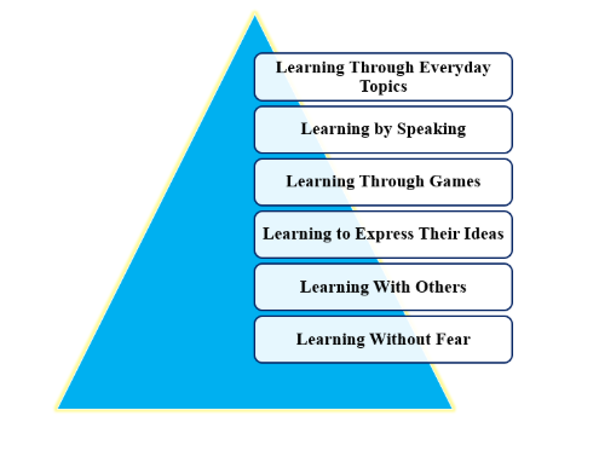
- Learning Through Everyday Topics
Children can understand English more easily when their lessons are linked to things they are already familiar with. Topics like sentence structure, tenses, vowels, grammar rules, spoken english, etc. provide them with an easy method to master new words and phrases.
- Learning by Speaking
Instead of listening only to a lecture the children are encouraged to respond to questions and talk about their ideas. This helps them practice their speaking skills regularly and makes them more comfortable speaking English.
- Learning Through Games
Games can make kids more enthusiastic about participating. Fun Activities can help children in learning new words, in improving sentence construction, and also in interacting with other children without feeling as if they’re in a formal class.
- Learning to Express Their Ideas
Simple essays and talking exercises help children express their thoughts in their own language. With every attempt, they become a little more confident about sharing what they think and feel.
- Learning With Others
Group activities give kids the opportunity to listen to each other, exchange thoughts, and share their knowledge. These small interactions can help children feel more at ease in engaging with others around them.
- Learning Without Fear
Children are allowed to fail and try to do it again. A positive environment can help in understanding that making mistakes is a process of learning, and helps them find the confidence to continue speaking.
Why NGO-Led Learning Initiatives Matter
Every child doesn’t have an equal amount of learning opportunities. NGOs in Noida can help fill the gap between volunteers, educational resources and children. These programs can provide children with the opportunity to learn new skills, as well as creating an environment where they will feel valued and happy.
The work becomes even more meaningful when learning is combined with interaction, play, and emotional support.
Frequently Asked Questions
- Why is spoken English important for children?
Spoken English can help children communicate their thoughts more clearly and feel more confident in school and everyday situations.
- Can games help children learn English?
Yes. Games can make children more interested in participating and give them a fun way to practise new words and sentences.
- Why should children be encouraged to speak even when they make mistakes?
Mistakes are a natural part of learning. Encouragement helps children practise without developing a fear of speaking.
- Can online sessions be useful for children’s learning?
Yes. Online sessions can connect children with teachers and volunteers and provide opportunities to learn, interact, and participate from home.
- What can children learn apart from English during such programmes?
Children can also develop communication, confidence, participation, teamwork, and the ability to express their thoughts.